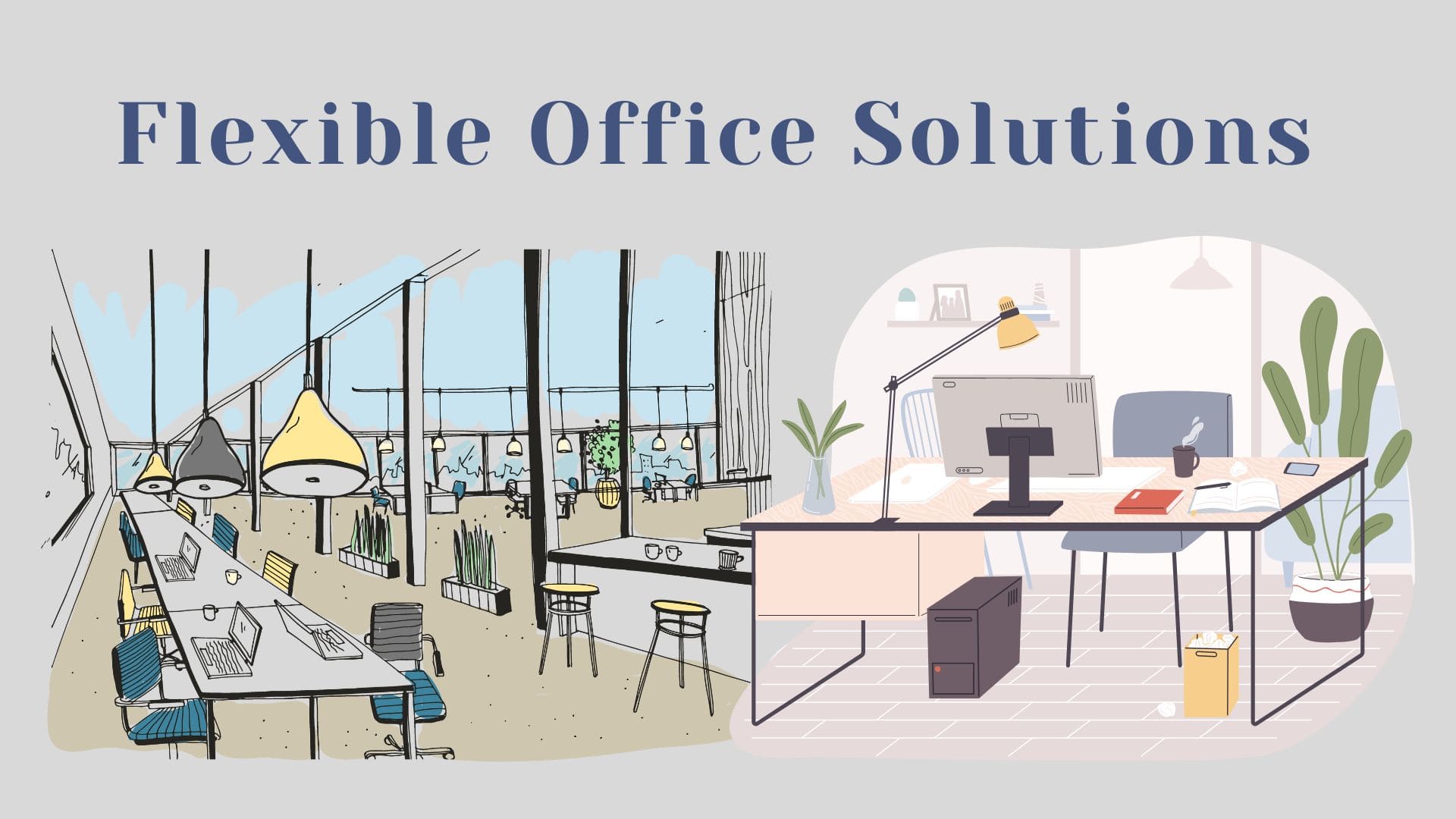
Flexible office solutions have become a game-changer for businesses looking to expand without the traditional overhead costs and long-term commitments. Companies that adopt scalable office space gain the agility to respond to market changes, hire talent strategically, and invest capital where it matters most. Office space solutions that prioritize flexibility enable organizations to grow at their own pace while maintaining the professional environment that employees need to thrive, thereby directly contributing to business growth.
The Real Cost of Inflexibility
Traditional office leases lock companies into 5-10 year agreements with fixed square footage. This creates a significant problem: you either pay for empty desks during lean periods or scramble for space during growth spurts. None of these options will lead to healthy expansion.
Consider the typical scenario: a startup signs a 5-year lease for 3,000 square feet, anticipating growth. Two years in, they’re still using only 1,200 square feet but paying for the entire space. That’s roughly $60,000 annually in wasted rent in most urban markets. Scalable office space prevents this drain on resources by allowing you to occupy exactly what you need.
Small businesses particularly benefit from right-sized spaces. A 200-square-foot studio is ideally suited for a solo entrepreneur or wellness practitioner. A 400-square-foot unit suits a team of three. A 600-square-foot space accommodates five to six people. This precision matching between space and headcount keeps overhead lean during growth phases.
The financial burden extends beyond rent. Traditional leases require substantial upfront capital: first month, last month, security deposits, and often personal guarantees. This locks up cash that growing businesses desperately need for inventory, marketing, or hiring. Flexible office solutions typically reduce these upfront costs dramatically, freeing capital for revenue-generating activities.
Scaling Across Team Sizes
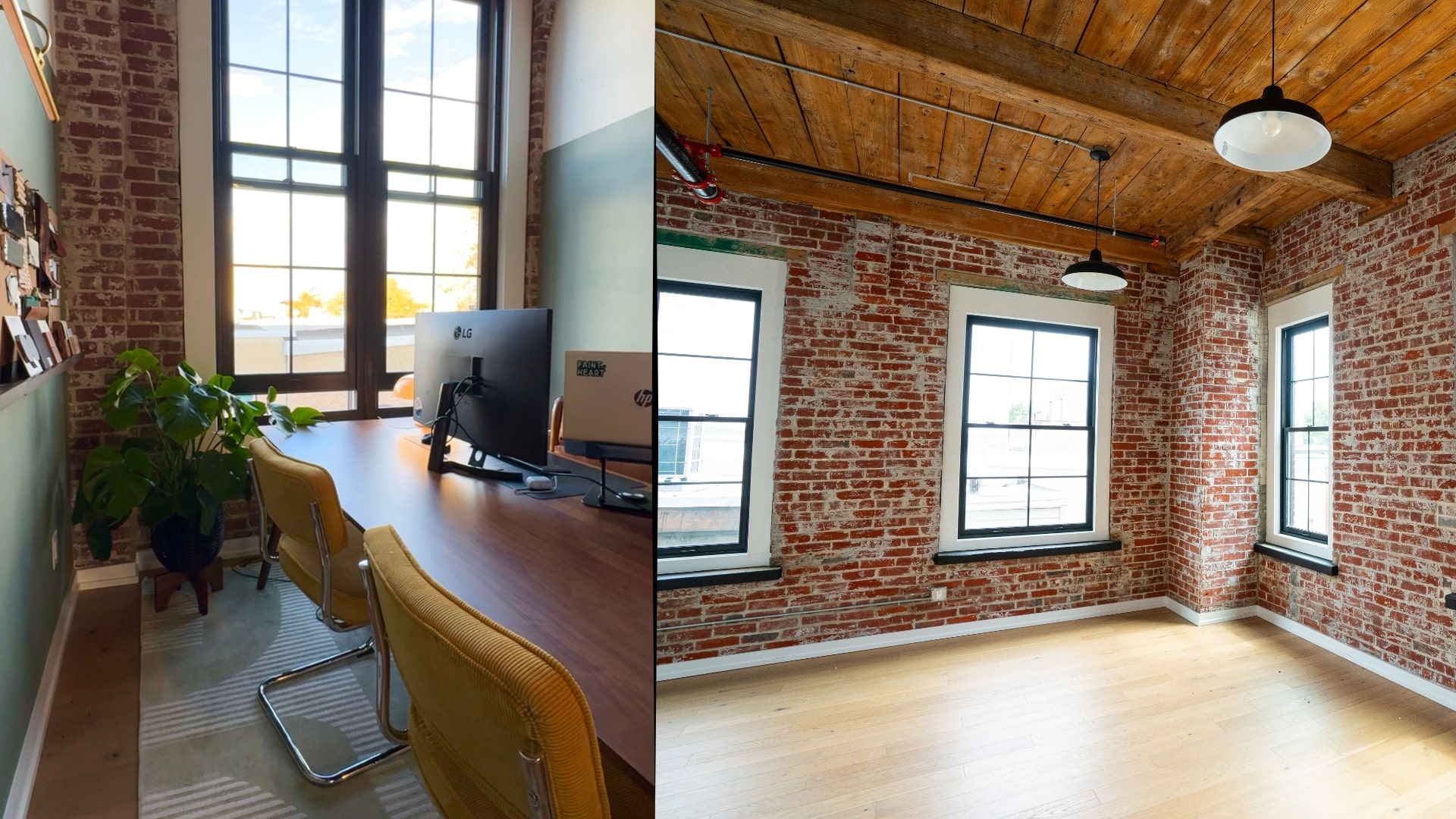
Flexible workspace grows with your headcount and revenue. Solo operations begin in compact studios that offer professional settings without excessive cost. Small teams of two or three people expand into mid-size units that allow a comfortable working distance. Established teams of five to seven move into larger spaces that accommodate everyone without feeling cramped.
This flexibility works in reverse too. If you need to reduce expenses during a slow season or market downturn, you can adjust to a smaller unit without breaking a lease or paying penalties. This safety net allows you to take calculated risks and pursue growth opportunities with confidence.
The transition between spaces is also important. Moving offices typically means changing addresses, notifying clients, updating materials, and disrupting operations for days or weeks. When you can expand within the same building, you maintain your address, keep your established routines, and avoid the chaos of traditional moves.
How Workspace Design Affects Team Performance
Your physical environment shapes mental performance more than most business owners realize. Cluttered, uncomfortable, or uninspiring spaces drain energy and focus. Well-designed workspaces fuel concentration and creativity.
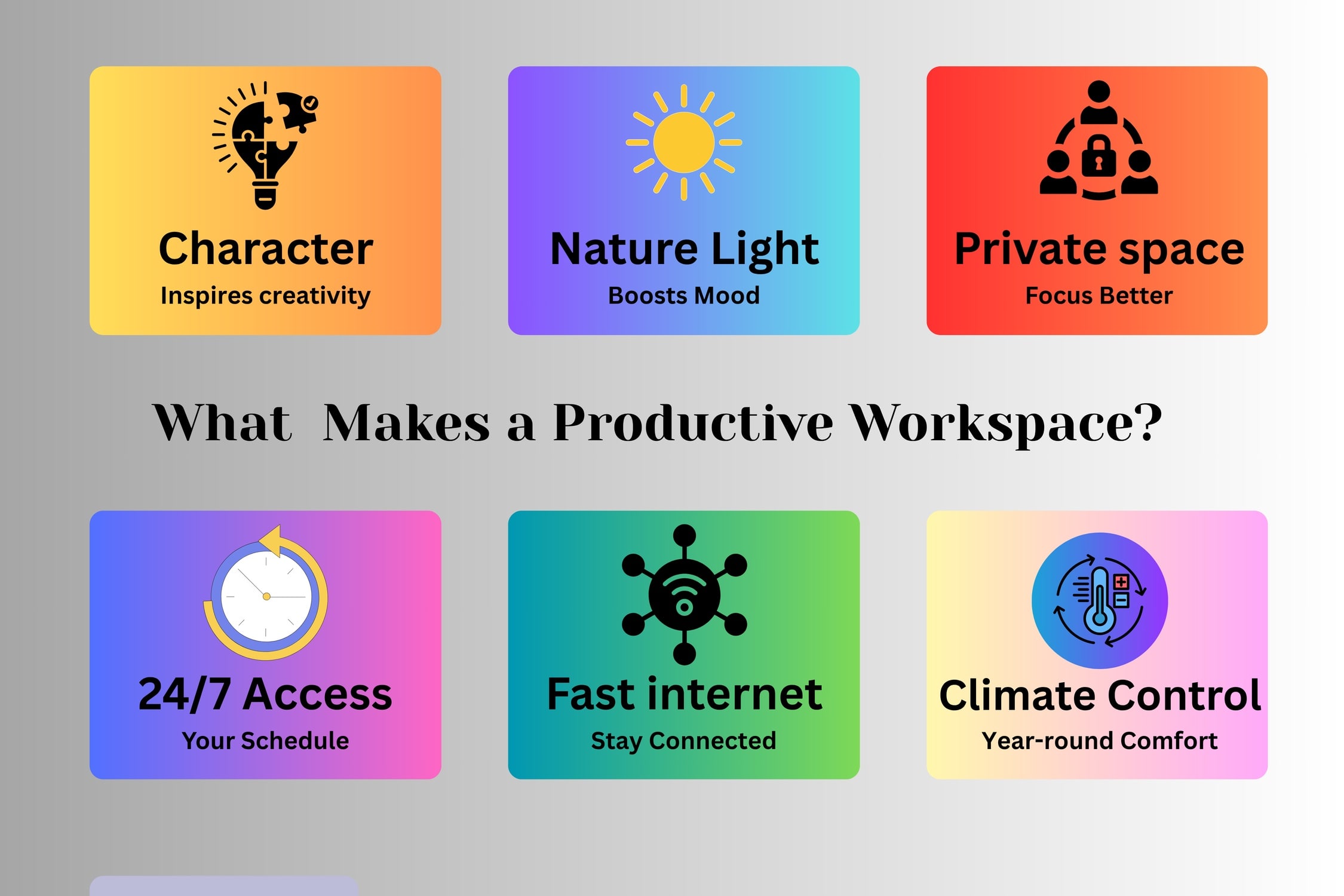
Key design elements that drive productivity:
Natural Light
- Affects mood, energy levels, and sleep quality
- Employees in naturally lit environments report significantly better well-being
- Large windows and skylights are productivity investments, not luxury features
- Delivers sustained focus and reduced fatigue
Architectural Character
- Creates emotional connections to the workspace
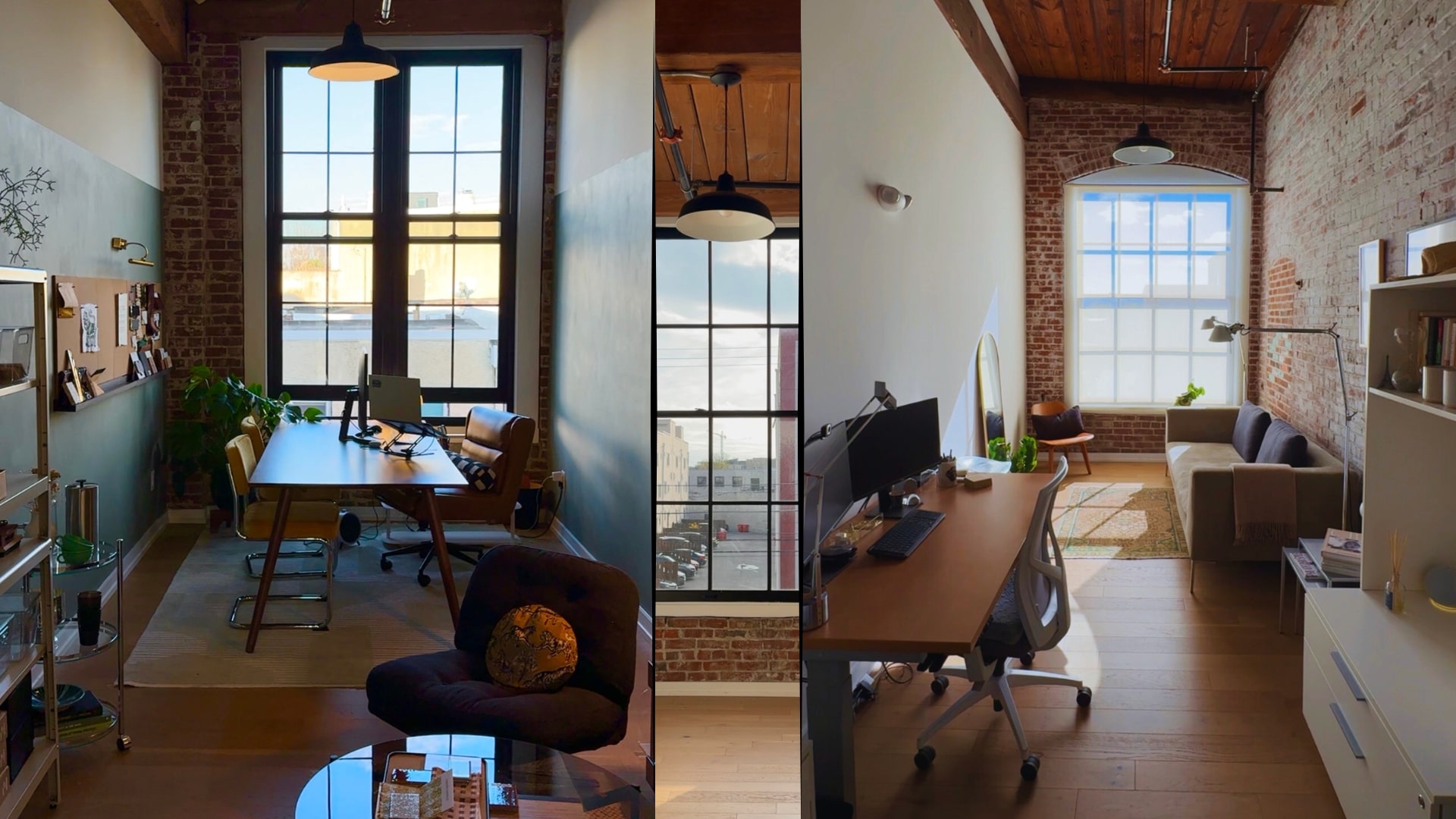
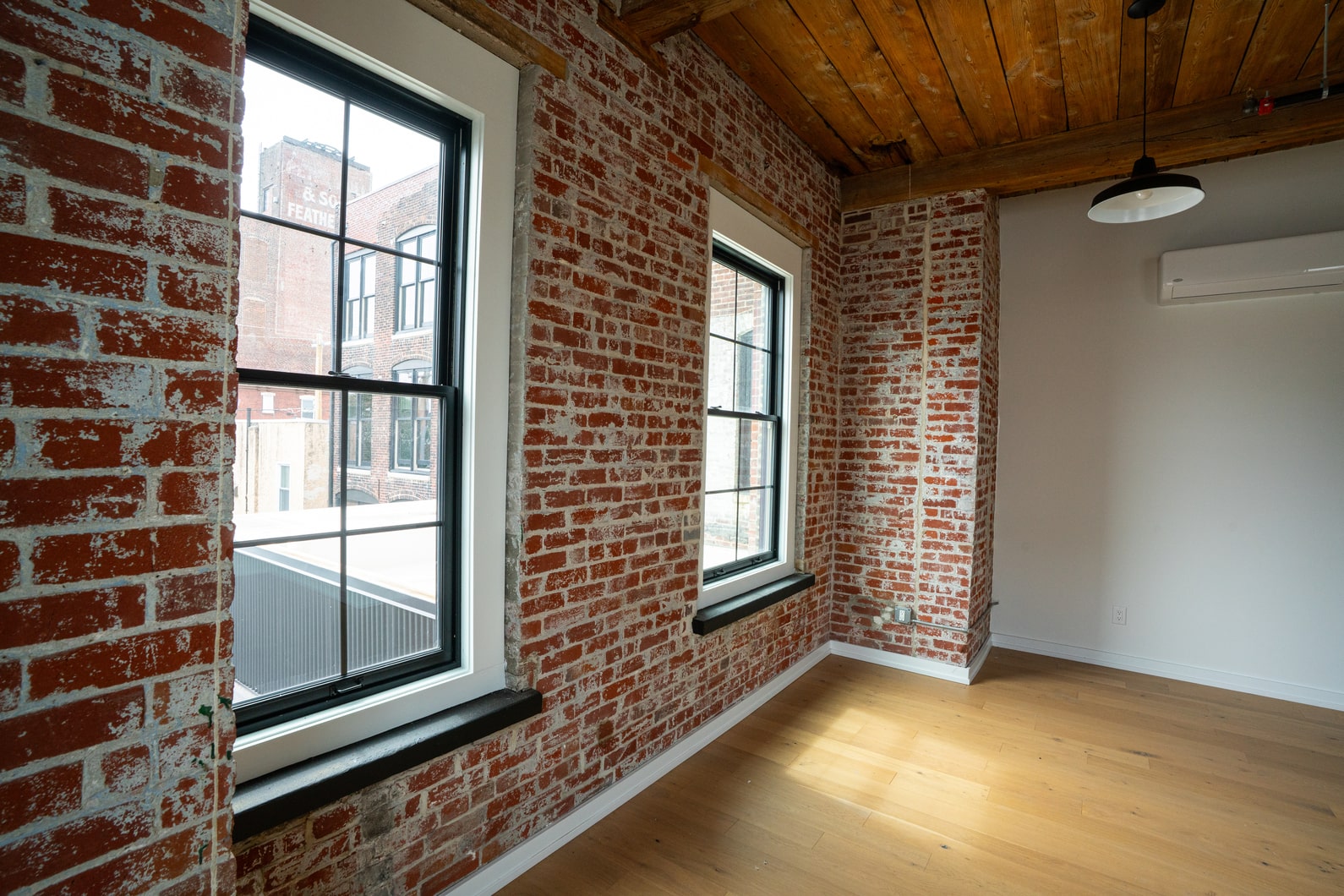
- Memorable features include exposed brick walls, original wood beams, high ceilings, and historic details
- Makes coming to work feel special rather than mundane
- Directly impacts daily motivation and satisfaction
Privacy and Focus
- Open-plan offices actually decrease productivity despite collaboration claims
- Workers face constant interruptions and distracting conversations
- Difficulty concentrating on complex tasks in shared environments
- Private workspaces give teams control over their environment
- Enables the deep work that drives results
Creating Employee Comfort and Building Culture
Employee retention costs less than constant recruiting and training. People stay at companies where they feel valued and comfortable. Your workspace choice signals how much you care about team wellbeing.
Private offices demonstrate investment in your team’s success. Employees recognize the difference between cramped shared desks and a dedicated workspace where they can concentrate. This recognition fosters loyalty and commitment which in turn translates to improved performance and longer tenure.
Professional surroundings elevate how employees perceive their work and themselves. A quality workspace makes people feel their work matters. This psychological impact shouldn’t be underestimated when building a strong team culture that attracts and retains talent.
A community atmosphere is crucial for solo entrepreneurs and small teams that might otherwise feel isolated. Being surrounded by other professionals creates energy and opportunity without sacrificing privacy. You get the best of both worlds: your own space plus connection to a larger community of ambitious business owners.
The workspace directly impacts recruitment. Top talent evaluates potential employers partly based on where they’ll spend their workdays. Showing candidates an inspiring, well-maintained office sends a strong message about company culture and priorities
Simplified Operations Mean More Growth Focus
Running a business demands constant attention to dozens of competing priorities. Adding property management responsibilities to that list drains time and energy from core activities that actually generate revenue.
Traditional office spaces require you to coordinate repairs, manage utility accounts, handle cleaning services, address building issues with landlords, and track various expenses. Each responsibility consumes time and creates stress that pulls focus from strategic work.
Flexible office solutions consolidate these operational burdens. Property teams handle maintenance, cleaning, and repairs. Building management is responsible for systems and common areas. You pay a single monthly amount and focus on your actual business, rather than managing facilities.
This operational simplification extends beyond time savings. It reduces cognitive load. Every ongoing responsibility occupies mental space, even when it is not actively being worked on. Eliminating facility management from your worry list frees up mental energy for strategic thinking and problem-solving that drives business growth.
The accounting benefits matter too. One predictable monthly expense replaces tracking multiple vendors, utility bills, and maintenance costs. Your bookkeeper spends less time categorizing occupancy expenses and more time on financial analysis that improves decisions.
Location and Community Advantages
Your office location affects recruitment, client perception, and daily logistics. Desirable neighborhoods attract better talent. Convenient access reduces commute stress. Cultural amenities make work more enjoyable.
Areas with strong creative and entrepreneurial communities offer networking opportunities and collaboration potential. Your neighbors might become your partners, clients, or referral sources. This organic connection building happens naturally in the right environment.
Client-facing businesses particularly benefit from impressive locations. Your office address becomes part of your brand. Clients visiting your workspace form impressions about your professionalism and success based partly on your surroundings and the neighborhood’s character.
Geographic positioning affects your talent pool. Offices near residential neighborhoods, transit hubs, or major roads make commuting easier for employees. This convenience becomes a competitive advantage when recruiting talented professionals who prioritize location when evaluating job offers.
Making the Move to Flexible Space
Starting with flexible office solutions requires minimal friction compared to traditional commercial leases. Conventional spaces typically require extensive documentation, personal guarantees, and security deposits equivalent to several months’ rent. The process drags on for weeks or months.
Office space solutions that emphasize flexibility streamline this process dramatically. Tours happen quickly. Available units are ready for viewing. The paperwork stays simple and straightforward. Move-in happens within days, not months.
This speed matters during growth opportunities. When you land a major client or hire key team members, you need workspace immediately. Waiting three months for a traditional lease to finalize means losing momentum or working in suboptimal conditions that hurt productivity and morale.
Experience These Benefits Firsthand
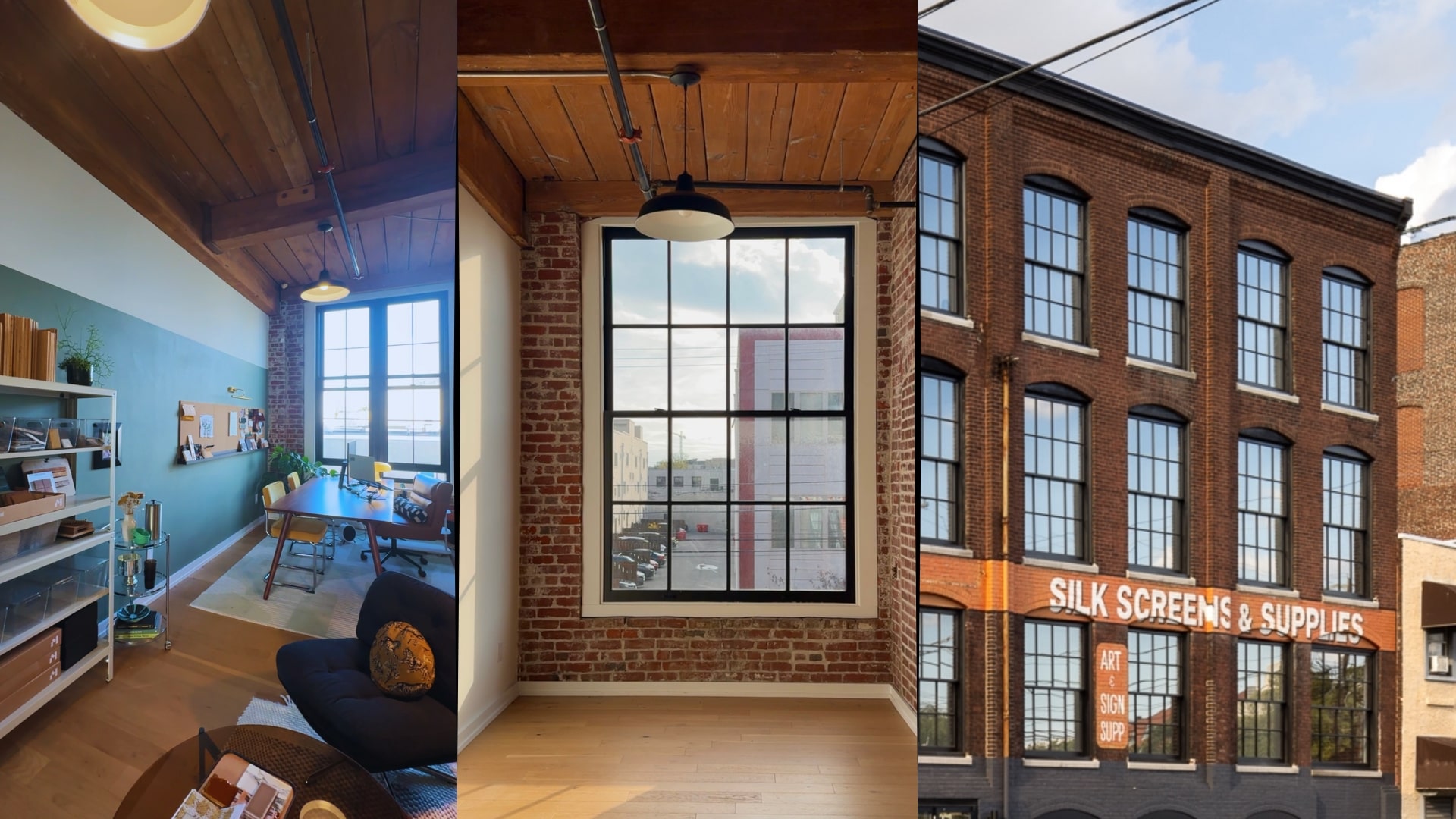
Reading about workspace benefits only tells part of the story. You need to see how natural light, architectural character, and innovative design actually feel during a workday. Expansion requires smart decisions about resource allocation, and flexible office solutions provide the foundation for scaling without the constraints of traditional commercial real estate.
Silk Screen Studios, located at 179 W. Berks Street demonstrates these principles in action. The reimagined historic warehouse preserves the building’s past as a silk factory while delivering everything teams need for productive work. Exposed brick, timber beams, and abundant natural light create the inspiring atmosphere that makes people excited to come to work. The combination of thoughtful design, operational simplicity, and workspace flexibility lets you focus on what you do best: building your business. Private studios ranging from 200 to 600 square feet accommodate businesses at every stage. Each unit maintains a unique character while supporting the focused work and team collaboration discussed throughout this article. Monthly rates between $1,000 and $1,300 provide predictable costs for Philadelphia businesses ready to grow.
Schedule your complimentary tour to see how these spaces support your specific business needs. Explore various unit sizes to determine which layout best suits your current team and future growth plans. Experience the natural light and architectural features that make the workspace inspiring rather than just functional. Ask questions about the move-in process, lease terms, and what’s included in the monthly rate. Your complimentary tour takes just 30 minutes but could change how you think about workspace and expansion. Notice the distinction between generic office space and environments designed for teams that want to do their best work. Contact Silk Screen Studios to schedule your visit and discover your productive sanctuary where success becomes not just possible, but inevitable.
FAQ