The yoga industry is booming. More than 36 million Americans practice yoga regularly, and the global market is projected to reach $250 billion by 2032. This growth represents a golden opportunity for passionate instructors ready to turn their teaching expertise into a thriving business.
Opening a yoga studio combines your love for wellness with entrepreneurship. But turning that dream into reality requires teaching skills plus careful planning, financial preparation, and strategic execution. This guide walks you through every essential step of how to open a yoga studio, from crafting your business plan to welcoming your first students.
The journey from instructor to studio owner can feel overwhelming. With the right roadmap, however, you can build a profitable yoga space that serves your community and supports your financial goals. Let’s explore how to make it happen.
1. What Should Your Yoga Studio Business Plan Include?
A solid business plan is your roadmap to success. Before signing leases or buying equipment, you need clarity on what makes your studio unique and financially viable.
Define your yoga philosophy first. Will you focus on hot yoga, restorative practices, or power vinyasa? Your teaching style should reflect your personal values and meet a specific market need. Create concise mission and vision statements that capture your studio’s purpose and long-term aspirations.
Next, identify your target market. Are you serving busy professionals seeking stress relief, seniors wanting gentle movement, or athletes looking for flexibility training? Knowing your ideal students shapes everything from class schedules to pricing strategy.
Your business plan should include detailed financial projections. Map out your expected revenue based on class capacity, pricing tiers, and membership models. Include a break-even analysis showing when your studio will become profitable — typically 12-24 months for most new studios.
Don’t skip the competitive analysis. Research other studios in your area. What do they offer? What’s missing in the market? Your unique value proposition should fill a gap while staying true to your vision. Success in opening a yoga studio comes from balancing passion with smart business strategy.
2. How Much Money Do You Need to Open a Yoga Studio?
Accurate cost projections help you budget realistically and avoid financial surprises. The average cost of opening a yoga studio ranges from $15,000 to $50,000, though some premium locations can exceed $100,000.
Your major expense categories include securing your space for yoga — typically requiring first and last month’s rent plus security deposit. Renovations and buildouts vary widely depending on your location’s condition. A bare space might need $15,000 to $50,000 in improvements, while a turnkey location requires minimal investment.
Equipment costs remain relatively low compared to other fitness businesses. Budget $2,000 to $10,000 for yoga mats, blocks, straps, bolsters, blankets, and a quality sound system. Add furniture for your reception area, storage solutions, and technology needs like computers and payment terminals.
Insurance and licenses typically cost $2,000 to $5,000 initially, while marketing and branding might require $3,000 to $10,000 for your website, logo design, and pre-opening campaigns. Don’t forget to maintain 3-6 months of operating expenses as a financial cushion.
Funding options include personal savings, business loans from banks or credit unions, and private investors. Many successful studio owners start by teaching classes at gyms or community centers, building capital and a client base before opening a yoga studio. This approach reduces financial risk while proving your concept works.
3. How Much Space Do You Need for Yoga Classes?
Location can make or break your studio’s success. The perfect yoga space balances accessibility, visibility, and affordability while serving your target demographic effectively.
Calculate your space requirements first. Industry standards recommend 50-75 square feet per student. A studio hosting 15-person classes needs roughly 900 to 1,100 square feet, plus additional space for reception, storage, and restrooms.
Consider accessibility factors carefully. Is parking available? Can students reach you via public transportation? Heavy foot traffic increases visibility but often comes with higher rent. Evaluate whether being on a busy street justifies the premium cost.
Traditional commercial leases require significant upfront investment and long-term commitment. For new studio owners, this can feel risky. That’s why flexible workspace options have become increasingly popular for wellness practitioners testing their business model.
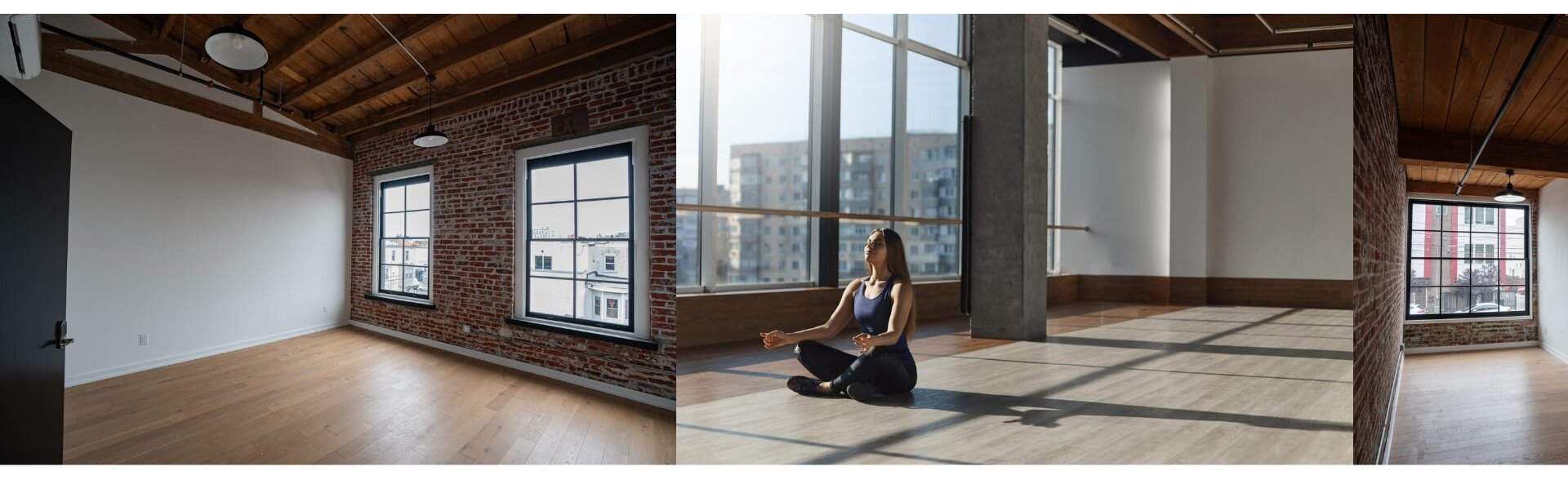
Philadelphia entrepreneurs can explore flexible yoga space at creative workspaces like Silk Screen Studios, which offers private studios perfect for wellness practitioners. These restored warehouse spaces provide the authentic atmosphere yogis appreciate — exposed brick, natural light, and inspiring architecture — without the financial burden of traditional leases.
Starting in a shared creative space offers multiple advantages. You’ll invest less capital upfront, benefit from shorter lease commitments, and join a built-in community of professionals who might become your first clients or referral partners. Once your client base grows, you can transition to a larger dedicated space with confidence.
Urban locations attract professionals seeking stress relief during lunch breaks or after work. Suburban areas appeal to families and retirees with more flexible schedules. Match your location choice to your target demographic’s lifestyle and preferences.
4. What Licenses Do You Need to Open a Yoga Studio?
Proper legal setup protects you and your business from costly problems down the road. Form your business entity first—most studio owners choose an LLC or S-Corporation for liability protection and tax benefits.
Register your business name with your state and obtain a federal Employer Identification Number (EIN) from the IRS. You’ll need this for tax purposes and hiring employees.
Apply for your state and local business licenses. Requirements vary by location, so check with your city clerk’s office. Most jurisdictions require a general business license costing $50 to $200.
Before opening, secure a Certificate of Occupancy (CO) from your local building department. This confirms your yoga studio meets building codes, zoning laws, and safety regulations. Your landlord might handle this, but verify beforehand.
Zoning permits ensure your location allows commercial fitness activities. Some residential or mixed-use zones restrict fitness businesses, so confirm zoning compliance early in your location search.
Health department permits may be required if you’re offering showers, changing rooms, or selling food and beverages. Contact your local health department to understand specific requirements.
Insurance coverage is non-negotiable. General liability insurance protects against injuries on your property. Professional liability insurance covers claims related to your instruction. Property insurance protects your equipment and space. If hiring employees, you’ll need workers’ compensation insurance in most states. Budget $2,000 to $4,000 annually for full coverage.
5. How Do You Create a Welcoming Studio Atmosphere?
Create an inviting atmosphere without overspending on unnecessary items. Your yoga space should feel peaceful and welcoming while maintaining functionality.
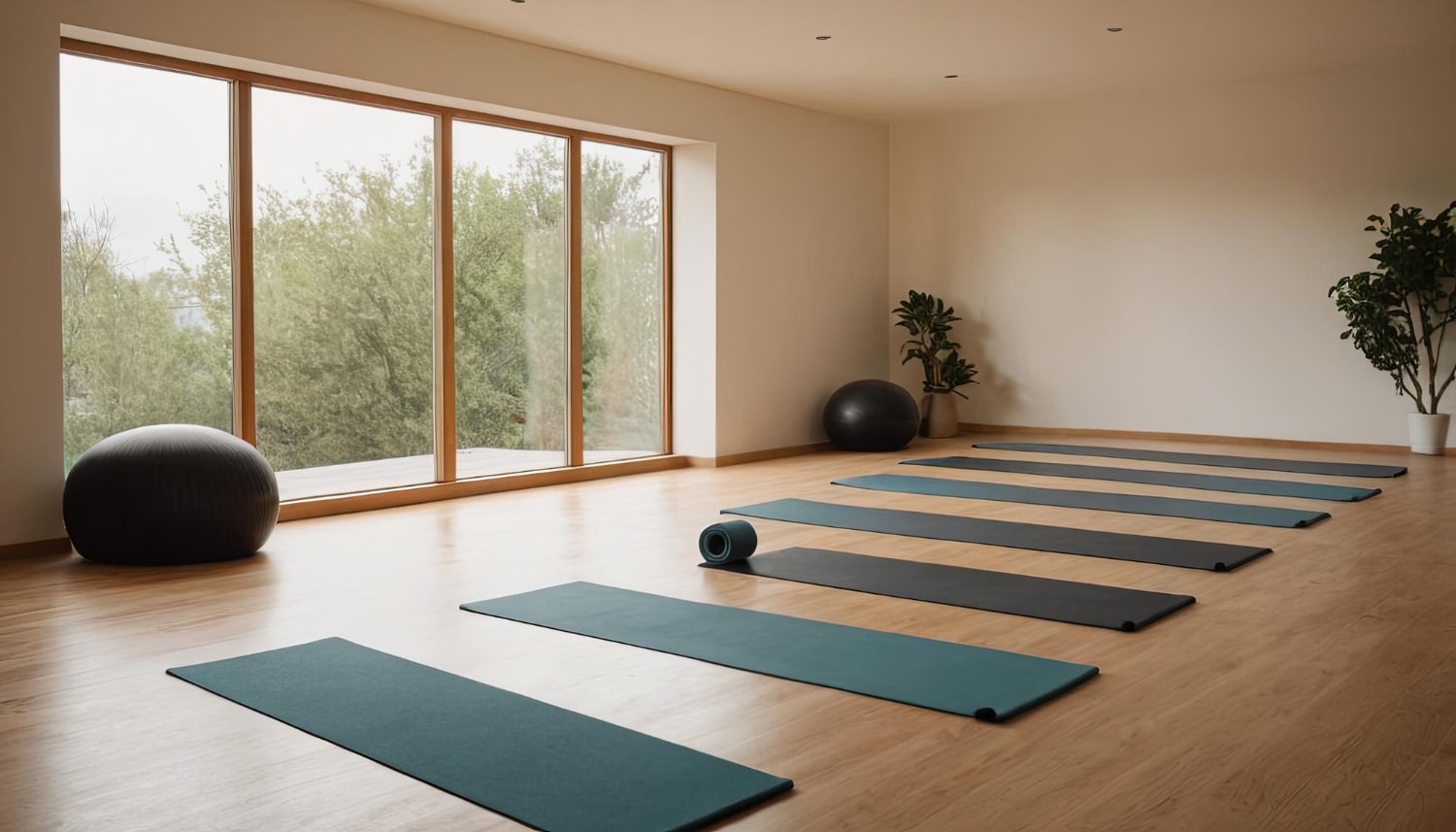
Essential equipment includes 10-20 yoga mats to start, especially for new students who don’t own mats yet. Stock up on blocks, straps, bolsters, and blankets — props that support different body types and skill levels. A quality sound system matters more than you might think; clear audio enhances the experience significantly.
Your reception area needs basic furniture: a desk, comfortable seating, and retail display space if you plan to sell yoga accessories or apparel. Invest in organized storage solutions that keep props tidy and accessible.
Ambiance elements turn a generic room into a sanctuary. Dimmable lighting allows you to adjust the mood for different class styles. Mirrors help students check alignment, though some teachers prefer mirror-free spaces for introspective practices. Flooring should be slip-resistant, easy to clean, and comfortable for floor work.
Technology needs include yoga studio management software for online booking, class scheduling, and payment processing. Platforms like Mindbody, Glofox, or Vagaro simplify operations and enhance the student experience. Budget $100 to $300 monthly for quality software.
Focus on quality basics rather than every possible prop. You can expand your equipment collection as revenue grows and student needs become clearer. Many successful studios begin with minimal gear and add specialty items — like aerial yoga hammocks or wall ropes — once their core business stabilizes.
6. How Do You Market Your Yoga Studio Before Opening?
Start marketing before you open your doors. Building buzz creates momentum that carries through your launch and beyond.
Create a memorable studio name and professional logo that reflect your teaching philosophy. Your visual identity should feel authentic to you while appealing to your target market. Invest in professional design rather than using generic templates — your brand is your first impression.
Develop a clean, mobile-friendly website with integrated online booking. Include your class schedule, instructor bios, pricing, and location details. Add high-quality photos of your yoga space that showcase its atmosphere and energy.
Pre-opening strategies generate early revenue and excitement. Offer Founders Memberships at discounted rates for students who commit before you open. This approach brings in capital when you need it most while building a loyal core community.
Build your social media presence three months before opening. Share behind-the-scenes renovation photos, introduce your teaching philosophy, and post valuable yoga content. Instagram and Facebook work particularly well for wellness businesses targeting local communities.
Collect email addresses through your website and social media. Send a weekly newsletter sharing yoga tips, studio updates, and special offers. Email marketing delivers a strong return on investment for local service businesses.
Plan a grand opening event that creates community rather than just selling classes. Offer free demo classes, healthy refreshments, and special promotions for attendees who sign up that day. Partner with local wellness businesses — nutritionists, massage therapists, or health food stores — for cross-promotion opportunities.
Ongoing marketing requires consistency. Post regularly on social media, optimize your Google Business Profile so you appear in local searches, and encourage satisfied students to leave reviews. Referral programs that reward current members for bringing friends can accelerate growth significantly.
7. When Should You Hire Additional Yoga Instructors?
Your team represents your brand and vision to every student who walks through your door. Choose instructors who align with your studio’s philosophy and teaching approach.
Define instructor qualifications clearly. Most reputable studios require 200-hour Yoga Alliance certification at a minimum, with preference for 500-hour trained teachers. Beyond credentials, assess teaching style, communication skills, and cultural fit.
Compensation models vary widely. Some studios pay per-class rates ($25 to $75 per class, depending on location and experience), while others offer salary arrangements for senior teachers or managers. Be transparent about compensation and expectations from the start.
Many studio owners begin teaching all classes themselves, which reduces initial costs while establishing the studio’s voice. As demand grows, hire additional instructors strategically. Your first hire should complement your teaching style and schedule, not compete with it.
Additional staff needs emerge as you scale. Front desk support manages check-ins, answers questions, and handles basic administrative tasks. Budget $12 to $25 per hour for reception staff. Consider part-time help during peak hours initially.
A bookkeeper or accountant becomes essential once you’re managing multiple revenue streams and employees. Professional financial management prevents costly errors and ensures tax compliance.
Studio managers handle day-to-day operations, staff scheduling, and customer service issues as your business expands. This role typically costs $3,000 to $5,000 monthly but frees you to focus on teaching and growth strategy.
Create clear policies covering class coverage, student interaction standards, and professional conduct. An employee handbook prevents misunderstandings and establishes professionalism.

8. What Makes a Strong Yoga Community?
Opening day is just the beginning of your journey. The first three months determine whether casual visitors become loyal members who sustain your business long-term.
Consider a soft opening before your grand event. Invite friends, family, and early members to experience your studio and provide feedback. This trial run reveals operational issues you can fix before the public launch.
First-month priorities should emphasize retention over acquisition. Welcome new students personally. Learn their names, ask about their goals, and check in after their first few classes. Personal attention turns trial members into loyal advocates.
Community-building techniques create the sticky factor that differentiates your studio from competitors. Host special workshops on topics like meditation, nutrition, or stress management. Create a private Facebook or WhatsApp group where members connect between classes.
Partner with local businesses for mutual benefit. Offer corporate yoga packages to nearby offices. Collaborate with physical therapists who can refer clients needing gentle movement. Cross-promote with healthy cafes or boutique fitness studios offering complementary services.
Gather feedback consistently through conversations, surveys, and observation. Stay open to adjusting class times, teaching styles, or pricing based on what you learn. Authenticity matters more than perfection — students appreciate studio owners who listen and evolve.
Track key metrics: class attendance, membership retention rates, revenue per class, and marketing channel effectiveness. Data reveals what’s working and where you need to adapt. Most successful studios take 12-24 months to reach profitability, so patience combined with strategic adjustments is essential.
Stay true to your original vision while remaining flexible in execution. The yoga philosophy you share through teaching should extend to how you run your business—with intention, adaptability, and service.
Can You Turn Your Passion into a Profitable Business?
Opening a yoga studio turns your passion into a business that serves your community while supporting your livelihood. The journey from vision to reality requires careful planning, financial preparation, and persistent effort.
Success doesn’t happen overnight. Building a loyal student base takes time, authenticity, and consistent quality. But for instructors committed to sharing yoga’s benefits, the reward goes beyond profit — you’re creating a space for yoga where people change their lives through practice.
Start with your business plan, secure your funding, and find the right location for your vision. Handle legal requirements properly, market strategically, and build a team that shares your values. Most importantly, stay connected to why you started this journey.
The yoga community needs authentic teachers willing to take the entrepreneurial leap. Your studio could become the yoga space where someone finds peace, healing, and growth. Take the first step today.
FAQ