Workplace arrangements continue evolving as businesses reconsider how they allocate office resources. Hot desking replaces assigned seating with flexible arrangements, allowing employees to choose different work locations each day. This strategy fundamentally changes how people interact with office environments and raises questions about productivity, collaboration, and employee satisfaction.

Key Takeaways
- Flexible Seating Model: Hot desking eliminates assigned workstations, allowing employees to choose different seats daily based on current needs and availability.
- Cost Efficiency for Companies: Sharing ratios of 1.5:1 reduce real estate expenses by consolidating space—one desk serves multiple employees who work different schedules.
- Personal Space Trade-Off: Employees gain flexibility and collaboration opportunities but lose the ability to personalize workspaces and maintain daily consistency.
- Equipment Limitations: Hot desking suits mobile workers with laptops but creates problems for professionals requiring specialized equipment, multiple monitors, or fixed workstation setups.
- Implementation Varies: Four main models exist—Free for All, Hoteling with reservations, Function-Based for select teams, and Hybrid Work Integration for remote/office schedules.
The Hot Desking Concept Explained
Hot desking operates on a straightforward premise: no employee owns a specific desk or workstation. Workers select available spaces when they arrive, similar to choosing seats on public transportation or at a coffee shop. The concept originated decades ago but gained traction as remote work became common and companies sought ways to maximize office space utilization.

Two core principles define these arrangements. First, the workspace eliminates assigned seating that restricts employees to specific locations. Second, workers have genuine freedom to choose where they sit based on current needs rather than predetermined seating charts.
The distinction between hot desking and office hoteling often causes confusion. Both models reject permanent seat assignments, but hoteling requires advance reservations while traditional hot desking operates on first-come, first-served basis. Over time, these terms have become largely interchangeable, with “hot desking” serving as an umbrella concept for various unassigned seating approaches.
Four Hot Desking Models
Companies implement hot desking through vastly different approaches. Some adopt first-come-first-served arrangements, others require advance reservations through booking platforms, certain organizations apply flexible seating only to specific departments, and many coordinate unassigned workspaces with remote work schedules. Each approach addresses different priorities around control, fairness, and operational needs.
Free for All
This represents the purest expression of hot desking philosophy. The entire office floorplan becomes available space, with seat selection determined solely by arrival time. Employees who arrive earlier secure preferred locations, while latecomers adapt to remaining options.
This model appeals to companies seeking maximum flexibility without administrative overhead. No reservation systems, no booking software, no complex management structures—just open space and employee choice. However, this simplicity creates challenges when popular areas become consistently overcrowded or employees struggle to find available seating during peak times.
Hoteling Systems
Companies concerned about potential chaos often implement hoteling systems that introduce structure through reservation technology. Employees book specific desks, meeting rooms, or offices in advance using digital platforms, mobile applications, or badge-based systems.
These reservation tools serve multiple functions beyond simple scheduling. They collect utilization data that helps management grasp space usage patterns, identify peak demand periods, and make informed decisions about future space requirements. The booking process also reduces friction between employees competing for popular locations by establishing clear protocols for space allocation.
Function-Based Arrangements
Some organizations adopt selective hot desking that applies flexible seating to certain teams while maintaining assigned spaces for others. This hybrid approach often reflects operational realities—some departments require consistent proximity for collaboration or compliance reasons, while others benefit from flexible arrangements.
The candid reality behind function-based models often involves organizational hierarchy. Senior executives may resist surrendering corner offices despite advocating hot desking for other employees. This inconsistency creates resentment when leadership exempts itself from policies imposed on staff.
Hybrid Work Integration
Remote work patterns created new opportunities for hot desking implementation. Companies with employees splitting time between home and office often discover they’re paying for space that sits empty multiple days per week. Hot desking paired with hybrid schedules allows organizations to reduce real estate footprints while maintaining adequate space for employees during designated office days.
This integration typically involves coordinating team schedules to prevent overcrowding. Different departments rotate in-office days, ensuring the workspace accommodates everyone comfortably without requiring enough desks for every employee simultaneously.
What Are the Benefits of Hot Desking?
Organizations adopt hot desking primarily for financial savings through reduced real estate footprints and lower overhead costs. Beyond immediate cost reductions, companies discover that mixing employees across departments sparks unexpected cross-functional collaboration. Reservation systems also generate usage analytics that reveal actual space consumption patterns, enabling data-driven decisions about future workspace needs.
Space Optimization and Cost Reduction
Hot desking delivers immediate financial impact by maximizing workspace efficiency. Traditional offices maintain empty desks for employees working remotely, traveling for business, or taking vacation time. This unused space represents ongoing costs without corresponding value.
Research from CBRE indicates many companies target sharing ratios around 1.5:1, meaning they provide one shared desk for every 1.5 employees. This consolidation reduces real estate costs, lowers overhead expenses per person, and decreases resource needs. Smaller spaces require less furniture, fewer utilities, and reduced maintenance expenses.
Private offices that sit vacant can be converted into meeting rooms, collaboration zones, or quiet spaces for focused work. This flexibility allows companies to adapt space usage to actual needs rather than maintaining static configurations.
Enhanced Collaboration Opportunities
Breaking down assigned seating barriers facilitates unexpected interactions between employees who might otherwise rarely communicate. Workers from different departments sit near each other organically, creating opportunities for cross-functional collaboration and knowledge sharing.
Employees working on specific projects can choose to sit together temporarily, maintaining close communication during critical phases without permanent desk reassignment processes. This agility supports project-based work structures where team compositions change regularly.
Research suggests less siloed organizational structures generate more innovation. Hot desking naturally reduces departmental isolation by mixing employees across office space, potentially sparking creative solutions through diverse perspective interactions.
Improved Data Collection
Desk reservation systems generate valuable usage data that informs strategic planning. Management can identify peak demand periods, recognize which spaces employees prefer, and track overall office utilization rates.
This information supports evidence-based decisions about space requirements, layout modifications, and potential real estate adjustments. Rather than making assumptions about workspace needs, companies analyze actual utilization patterns to guide space planning.
Do Hot Desks Have Drawbacks or Challenges?
Hot desking creates several friction points for employees and organizations. Daily seating uncertainty generates stress when preferred locations are unavailable, while the inability to personalize workspaces affects psychological comfort and organizational belonging. Professionals requiring specialized equipment face setup complications, and constantly changing surroundings disrupt concentration for those who rely on environmental consistency.
Unpredictability and Availability Concerns
The flexibility that makes hot desking attractive also creates frustration. Employees arriving later in the day may find no available seating in preferred areas, forcing them to work from less desirable locations or return home. This unpredictability affects work planning and creates stress around office attendance.
Popular locations—window seats with natural light, quiet corners away from high-traffic zones, or areas near specific amenities—often become consistently occupied. Without reservation systems, employees may feel compelled to arrive unnecessarily early just to secure preferred spots, potentially disrupting work-life balance.
Loss of Personal Space
Many people value having designated workspaces they can personalize with photos, plants, or other items that make environments feel comfortable and familiar. Hot desking eliminates this possibility, treating desks as temporary stations rather than personal territories.
The psychological impact of lacking a consistent workspace affects employee satisfaction and sense of belonging. People may feel less connected to the organization when they lack physical anchors within the office environment.
Daily setup and teardown requirements also consume time and mental energy. Employees must pack up belongings each evening and reconfigure their workspace each morning, adding administrative burden to routines.
Equipment and Technology Limitations
Hot desking works well for employees requiring only laptops and basic supplies, but becomes problematic for those needing specialized equipment. Workers using multiple monitors, desktop computers, or industry-specific tools may find hot desking incompatible with their operational requirements.
Certain professions demand consistent workstation configurations for efficiency. Repeatedly setting up complex equipment arrangements wastes time and increases the likelihood of technical issues that disrupt productivity.
Reduced Focus Potential
Constantly changing neighbors and surroundings disrupt concentration for employees who work best with consistent routines. The lack of familiarity with daily workspace arrangements may reduce focus and require additional time to settle into productive work states.
Without assigned seating, employees lose the ability to control their acoustic environment. Someone needing quiet space might end up near high-traffic areas, while those who thrive on ambient activity might find themselves isolated in quiet zones.
Evaluating Hot Desking for Your Situation
Hot desking suits specific work patterns and personality types while creating challenges for others. Consider these factors when evaluating if this model aligns with your professional needs:
- Mobile work requirements: Does your work require only a laptop and internet connection, or do you need specialized equipment and multiple monitors?
- Collaboration patterns: Do you benefit from sitting near the same colleagues consistently, or do your projects involve frequently changing team compositions?
- Focus preferences: Can you concentrate effectively in varying environments, or do you rely on familiar surroundings to maintain productivity?
- Personal space value: How important is having a workspace that reflects your presence within the organization?
Organizations implementing hot desking should carefully assess employee preferences alongside business objectives. The model delivers clear financial benefits but may negatively impact satisfaction and productivity if implemented without considering workforce needs.
Alternative Workspace For You
Hot desking represents one approach to flexible workspace arrangements, but alternatives may better serve professionals seeking stability alongside flexibility. Private offices offer dedicated space that combines professional environments with personal consistency—eliminating hot desking drawbacks while maintaining benefits of professional workspace.
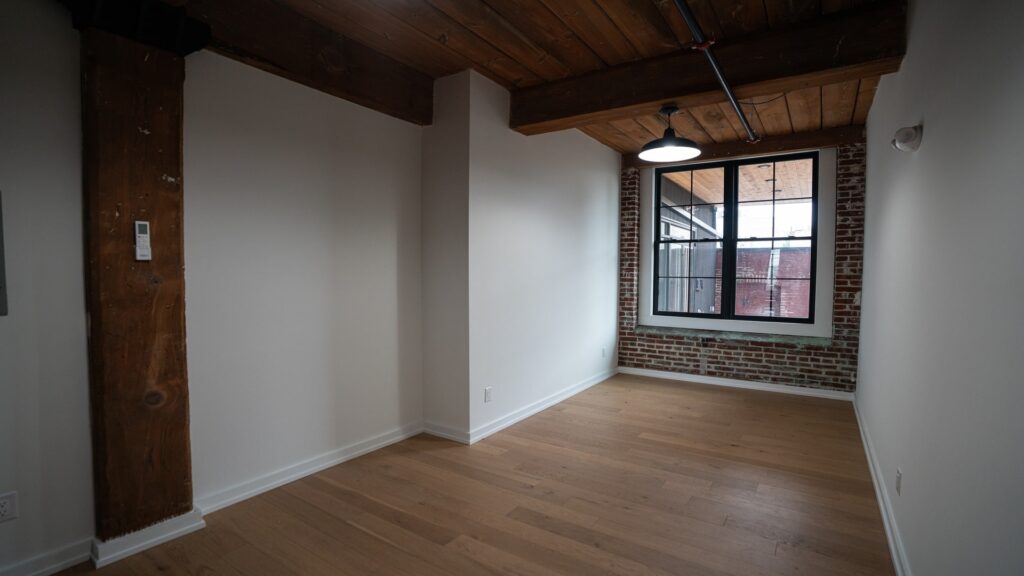
For professionals in the Philadelphia area, Silk Screen Studios offers private offices ranging from 200 to 600 square feet in a thoughtfully restored historic warehouse in Fishtown. Each unit features individual climate control, high-speed internet, 24/7 secure access through app-controlled entrances, and unique architectural character with exposed brick walls and timber beams.
The flexible monthly arrangements range from $1,000 to $1,300, providing cost efficiency without sacrificing personal space or daily predictability.
Ready to explore a workspace that offers flexibility without daily uncertainty? Schedule a complimentary tour by visiting Silk Screen Studios website to experience how dedicated private offices support your business goals. Tours are led by building manager Iva Kelman, who can show available units and discuss how the space might fit your professional requirements.
FAQ
What makes hot desking different from traditional office seating?
Traditional offices assign permanent desks to individual employees, while hot desking treats all workstations as shared resources. Employees select available seats when they arrive rather than returning to the same desk daily. This eliminates personal workspace ownership but increases flexibility and reduces the number of desks companies need to maintain.
Do I need to reserve a desk in advance with hot desking?
This depends on the specific model your workplace uses. Free for All hot desking operates on first-come, first-served basis with no reservations. Hoteling systems require booking desks through apps or software platforms. Hybrid models may combine both approaches depending on team schedules and space availability.
Can I leave personal items at a hot desk overnight?
No, hot desking requires you to pack up all belongings at the end of each workday. Desks must remain available for other employees the next day. Most hot desking environments provide lockers or storage areas for personal items, but you cannot claim a specific desk by leaving your belongings there.
How do companies determine the right desk-to-employee ratio?
Companies analyze attendance patterns, remote work schedules, and space utilization data to calculate sharing ratios. A common target is 1.5:1, meaning one desk for every 1.5 employees. This ratio accounts for vacation time, sick days, remote work days, and business travel, ensuring adequate seating without paying for excess unused space.
Does hot desking actually improve collaboration or just create chaos?
Results vary based on implementation quality and company culture. Hot desking can facilitate cross-department interactions by mixing employees who wouldn’t normally sit together. However, poorly executed systems create frustration when popular seats are unavailable, employees waste time searching for space, or teams struggle to coordinate proximity for projects requiring close collaboration.