In today’s workforce, small businesses, work from home professionals and creative entrepreneurs all face a common challenge: finding a workspace that balances cost, functionality, and inspiration. Traditional office leases demand long-term commitments and substantial upfront costs, while working from home can limit productivity and growth potential. Coworking spaces have emerged as a practical solution, offering professional environments without the typical constraints of conventional office arrangements.

Key Takeaways
- Cost Efficiency: Predictable monthly expenses ($1,000-$1,300) include utilities, internet, and amenities that would cost significantly more to implement independently.
- Maximum Flexibility: Month-to-month arrangements allow businesses to scale, relocate, or adjust space usage without long-term lease penalties.
- Enhanced Productivity: Professional workspace creates clear work-life boundaries and provides reliable infrastructure for focused business operations.
- Networking Opportunities: Diverse professional community generates organic connections and collaborative possibilities across different industries.
- Shared Resources: Access to conference rooms, professional equipment, and facility management without ownership responsibilities or maintenance costs.
Defining the Coworking Space Concept
A coworking space operates as a shared professional environment where individuals and businesses rent private offices or workstations within a larger facility. Unlike traditional office buildings with rigid lease structures, coworking spaces provide flexible arrangements that adapt to changing business needs.
These facilities typically house a diverse mix of professionals—entrepreneurs launching startups, established small businesses scaling operations, creative professionals seeking inspiration, and remote workers requiring professional meeting spaces. The shared infrastructure allows members to access professional-grade amenities that might otherwise be cost-prohibitive for individual businesses.
Financial Advantages That Impact Your Bottom Line
Predictable Monthly Expenses
Traditional office leases often require substantial security deposits, first and last month’s rent, and additional fees for utilities, internet, and maintenance. Coworking spaces consolidate these expenses into a single monthly payment that typically ranges from $1,000 to $1,300 for private offices at facilities like Silk Screen Studios.
This pricing structure includes utilities, internet, basic maintenance, and access to shared amenities—eliminating surprise expenses that can disrupt cash flow planning. For businesses operating on tight margins, this predictability allows for more accurate financial forecasting.
Reduced Overhead Investment
Starting a business requires careful capital allocation. Traditional office setup demands significant upfront investment in furniture, equipment, internet infrastructure, security systems, and utility deposits. Coworking spaces provide fully equipped workspaces, allowing businesses to redirect capital toward core operations rather than workspace infrastructure.
The shared cost model means businesses pay only for the space they occupy while accessing amenities typically reserved for larger organizations. Conference rooms, high-speed internet, printing facilities, and security systems become available without individual investment.
Scalability Without Penalty
Business growth rarely follows linear patterns. Companies may need additional space during busy periods or want to downsize during slower months. Traditional leases lock businesses into fixed arrangements that may not align with actual needs.
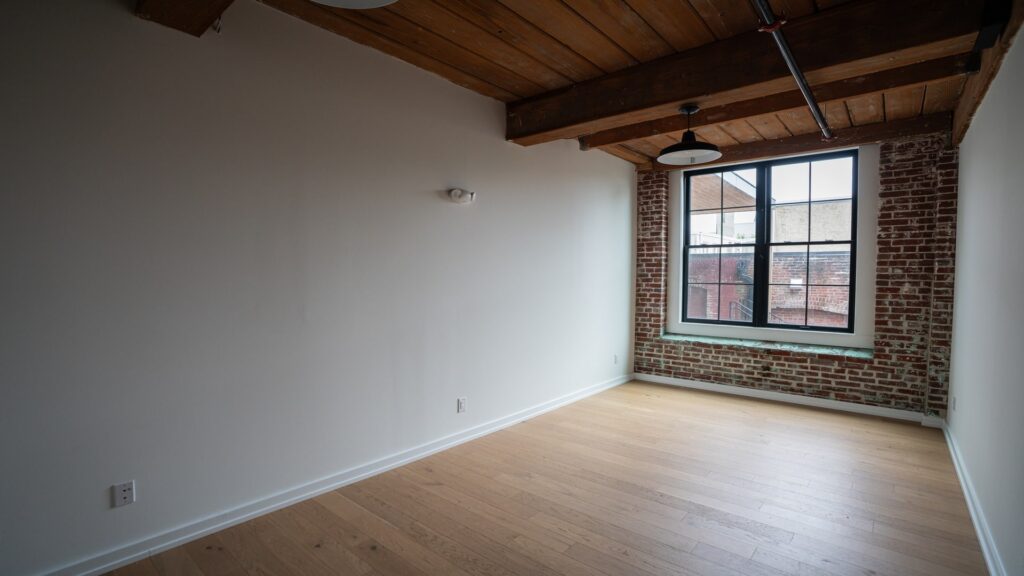
Coworking facilities offer various space configurations that can accommodate changing requirements. A business might start with a 200-square-foot office and expand to a larger space as the team grows, or entrepreneurs can begin with shared workstations and transition to private offices as revenue increases.
Productivity Enhancement Through Professional Environment
Dedicated Work Zones
Working from home presents numerous distractions—household chores, family interruptions, delivery notifications, and the temptation to blur work-life boundaries. Coworking spaces create physical separation between personal and professional activities, establishing clear mental boundaries that support focused work.
The professional atmosphere naturally encourages productivity habits. When surrounded by other working professionals, individuals tend to maintain higher concentration levels and professional behavior patterns compared to casual home environments.
Infrastructure That Supports Growth
Reliable internet connectivity remains fundamental for most businesses, yet home internet services can be unreliable or insufficient for professional needs. Coworking spaces invest in commercial-grade internet infrastructure designed to support multiple simultaneous users engaged in bandwidth-intensive activities.
Silk Screen Studios provides high-speed internet as part of their standard package, along with individual climate control systems that ensure comfortable working conditions year-round. These infrastructure elements might cost hundreds or thousands of dollars to implement independently but become accessible through membership.
Professional Meeting Capabilities
Client meetings and team collaborations often require professional environments that reflect business credibility. Receiving clients at home or in coffee shops can undermine professional perception, while booking hotel meeting rooms or business centers can be expensive for regular use.
Quality coworking spaces provide access to professional meeting areas where businesses can host clients, conduct interviews, or facilitate team meetings. The shared courtyard at Silk Screen Studios, for example, offers an alternative environment for outdoor meetings or team breaks.
Community and Networking Opportunities
Cross-Industry Connections
Traditional office buildings typically house similar businesses or departments from the same company. Coworking spaces intentionally cultivate diverse professional communities that can lead to unexpected collaboration opportunities.
A graphic designer might connect with a startup founder seeking branding services, while a wellness practitioner could partner with a business consultant to develop corporate wellness programs. These organic connections often prove more valuable than formal networking events because they develop through natural daily interactions.
Knowledge Sharing Environment
Working alongside professionals from different industries provides exposure to diverse perspectives and problem-solving approaches. Casual conversations during coffee breaks or in shared spaces can yield insights that help overcome business challenges.
Entrepreneurs benefit particularly from this environment, as they can observe how other businesses handle common challenges like client management, marketing strategies, or operational efficiency. This indirect learning accelerates business development without formal mentorship programs.
Collaborative Project Potential
The proximity of various skill sets within coworking spaces creates opportunities for collaborative projects that might not emerge in traditional office environments. A photographer might partner with a marketing consultant and web developer to offer comprehensive branding packages, or several small businesses might collaborate on larger projects that require combined expertise.
Flexibility That Adapts to Business Rhythms
Access When You Need It
Traditional office leases often restrict access to business hours, limiting productivity for entrepreneurs and professionals who work non-standard schedules. Many coworking spaces provide 24/7 access, allowing members to work during their most productive hours.
Silk Screen Studios offers around-the-clock access through app-controlled secure entrances, enabling members to maintain flexible schedules that align with their business needs and personal productivity patterns.
Month-to-Month Arrangements
Long-term leases create financial obligations that may not align with business development timelines. Startups might need immediate professional space but cannot predict their location needs six months or two years ahead.
Coworking spaces typically operate on month-to-month arrangements that provide stability without long-term commitment. This flexibility allows businesses to make location decisions based on current circumstances rather than uncertain future projections.
Seasonal Adaptation
Some businesses experience seasonal fluctuations that affect space requirements. Retail businesses might need additional space during holiday periods, while service-based businesses might downsize during slower months.
The flexible nature of coworking arrangements allows businesses to adjust their space usage according to seasonal patterns, optimizing costs while maintaining professional operations year-round.
Supporting Creative and Entrepreneurial Focus
Inspiring Physical Environment
The physical environment significantly impacts creativity and motivation levels. Home offices often lack the design elements that stimulate creative thinking, while traditional corporate spaces can feel sterile and uninspiring.
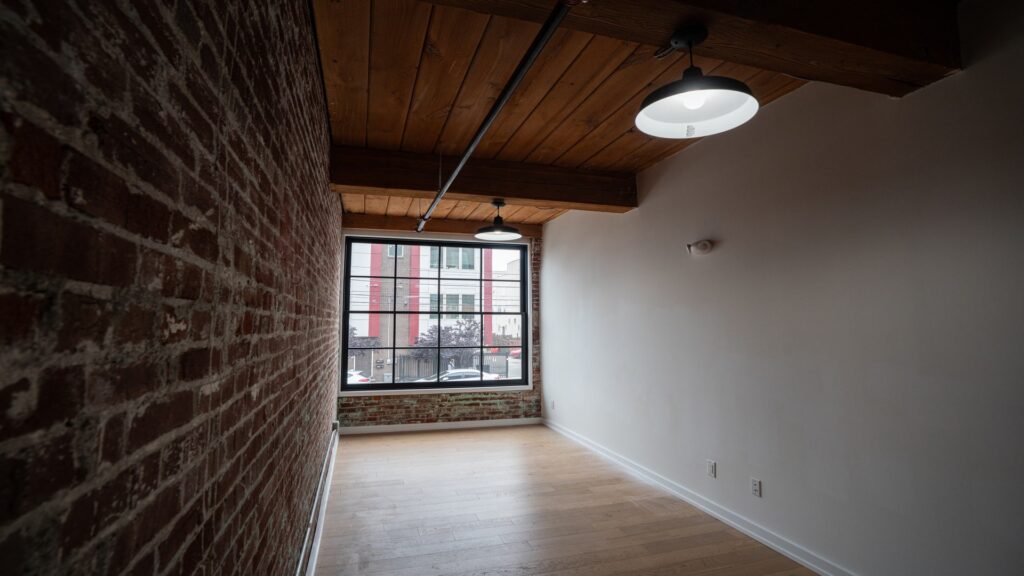
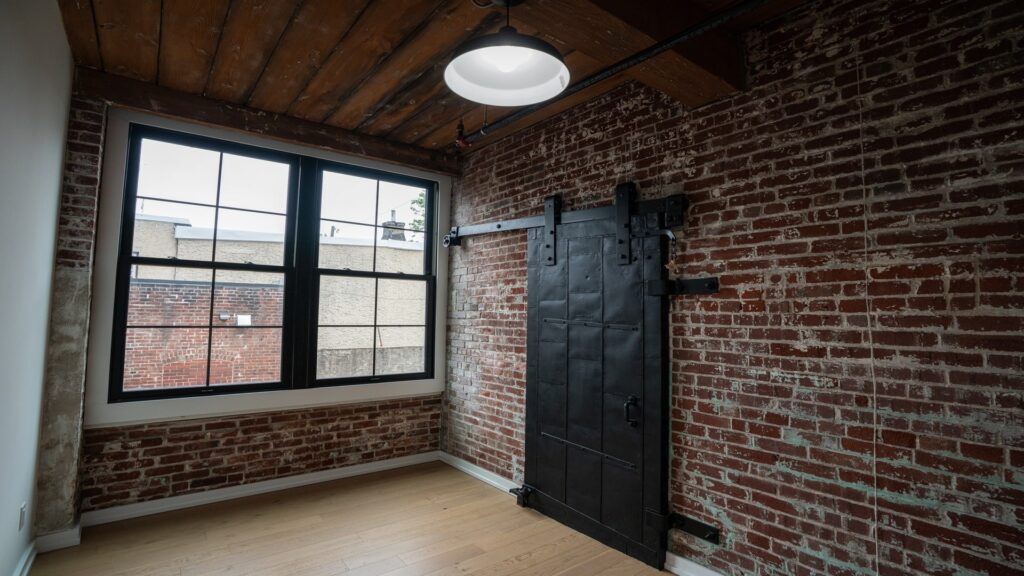
Historic buildings like Silk Screen Studios combine architectural character with functionality. The preserved industrial elements—exposed brick walls, heavy timber beams, and an abundance of natural light—create an atmosphere that encourages creative thinking while providing the infrastructure necessary for professional productivity.
Reduced Administrative Burden
Managing office logistics—utility payments, maintenance requests, security concerns, and equipment troubleshooting—diverts attention from core business activities. These administrative tasks can consume significant time and mental energy that entrepreneurs need for business development.
Coworking spaces handle facility management, allowing members to focus on revenue-generating activities rather than property administration. When heating systems require maintenance or internet connectivity needs upgrading, facility management addresses these issues without member involvement.
Resource Access Without Ownership
Growing businesses often need occasional access to resources they cannot justify purchasing. High-quality printers, presentation equipment, conference call technology, and specialized furniture represent significant investments for infrequent use.
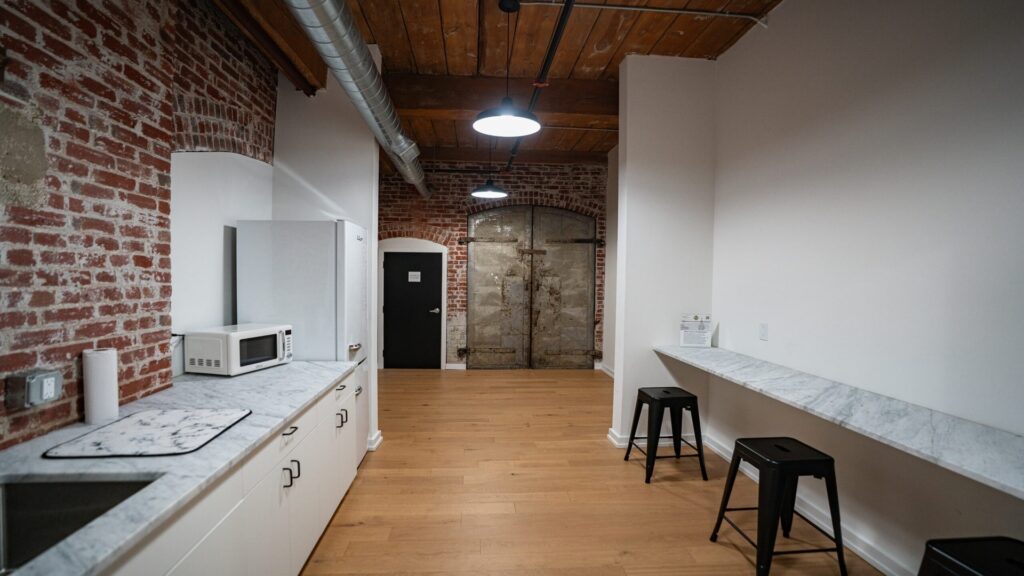
Coworking facilities provide shared access to professional resources, allowing businesses to access equipment when needed without storage, maintenance, or depreciation concerns. The kitchenettes on each floor at Silk Screen Studios, for example, eliminate the need for individual office kitchen setups while providing convenient meal preparation capabilities.
Location and Transportation Benefits
Strategic Positioning
Many coworking spaces occupy strategic locations in developing neighborhoods that offer professional credibility at lower costs than prime downtown areas. These locations often provide easier parking, better public transportation access, and proximity to complementary businesses.
Silk Screen Studios’ location near the Berks El station in Philadelphia’s Fishtown neighborhood exemplifies this advantage. The area combines urban accessibility with a creative community atmosphere, while the transportation connection simplifies commutes for team members and client visits.
Reduced Commute Complications
Traditional office searches often require compromising between location convenience and cost considerations. Businesses might accept longer commutes to secure affordable space, or pay premium prices for convenient locations.
The geographic distribution of coworking spaces allows professionals to find workspace closer to their residential areas, reducing commute time and transportation costs while maintaining professional working environments.
Making the Transition to Coworking
Evaluating Your Business Needs
Before selecting a coworking space, assess your specific requirements: daily occupancy patterns, client meeting frequency, equipment needs, and growth projections. Understanding these factors helps identify facilities that align with your operational patterns.
Consider storage requirements, as coworking spaces typically provide limited storage compared to traditional offices. Businesses with extensive physical inventory or equipment may need additional storage solutions.
Trial Periods and Tours
Most quality coworking facilities encourage prospective members to tour the space and understand the community atmosphere before committing. These visits provide opportunities to evaluate internet speeds, noise levels, parking availability, and the general working environment.
Silk Screen Studios offers complimentary tours that allow potential members to experience the space, meet current members, and assess whether the environment supports their working style and business needs.
Membership Transition Planning
Moving from home offices or traditional workspaces requires planning for address changes, mail forwarding, client notification, and service provider updates. Coworking facilities can often assist with these transitions and may provide virtual office services during the change period.
Plan the transition during slower business periods to minimize disruption, and consider maintaining overlapping arrangements briefly to ensure smooth service continuity for clients and vendors.
Taking the Next Step
The decision to join a coworking community can significantly impact business development trajectory. Professional workspace, networking opportunities, and operational flexibility provide foundations for sustained growth while maintaining financial efficiency.
Ready to experience the benefits of a professional coworking space firsthand?
Silk Screen Studios invites you to schedule a complimentary tour of their historic Fishtown facility. Discover how their unique combination of industrial charm and professional amenities can support your business objectives.
The tour process takes approximately 30 minutes and provides opportunity to ask questions, meet current members, and determine whether the space aligns with your business needs. No appointment pressure—just an honest evaluation of whether coworking at Silk Screen Studios can benefit your professional goals.
Each workspace at Silk Screen Studios includes individual character and unique features while providing the professional infrastructure that supports business success. From 200-square-foot creative studios to 600-square-foot team offices, the space can accommodate various business configurations and growth stages.
FAQ
How do coworking space costs compare to traditional office leases?
Coworking spaces consolidate multiple expenses into a single monthly payment, typically eliminating security deposits, utility setup fees, internet installation costs, and maintenance expenses that traditional leases require separately. While monthly rates may appear similar, the total cost of occupancy often favors coworking arrangements, especially when factoring in furniture, equipment, and facility management expenses.
Can I maintain privacy and security for sensitive business information in a shared environment?
Quality coworking spaces like Silk Screen Studios provide private offices with individual access control rather than open shared workstations. App-controlled secure entrances, individual climate control, and separate office suites ensure privacy for confidential work. Many facilities also offer package rooms and secure storage options to protect business materials.
What happens if my business needs change or I need to relocate quickly?
Most coworking spaces operate on month-to-month agreements that provide maximum flexibility for changing business needs. Unlike traditional leases that lock businesses into multi-year commitments, coworking arrangements allow you to adjust space size, relocate to different areas, or terminate agreements with standard 30-day notice periods.
Are utilities, internet, and maintenance included in the monthly rate?
Yes, reputable coworking facilities include utilities, high-speed internet, basic maintenance, cleaning services, and access to shared amenities in their monthly pricing. This eliminates surprise expenses and simplifies budgeting compared to traditional offices where these services require separate vendor relationships and variable monthly costs.
How do I determine if a coworking space fits my business needs?
Schedule a complimentary tour to experience the environment firsthand and assess factors like internet speed, noise levels, parking availability, and community atmosphere. Consider your daily occupancy patterns, client meeting frequency, storage requirements, and growth projections. Most facilities encourage trial periods or day passes to test compatibility before committing to monthly memberships.